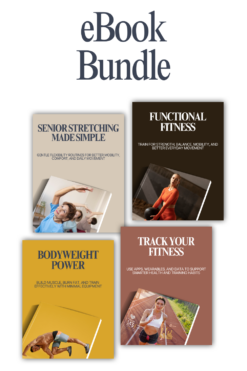
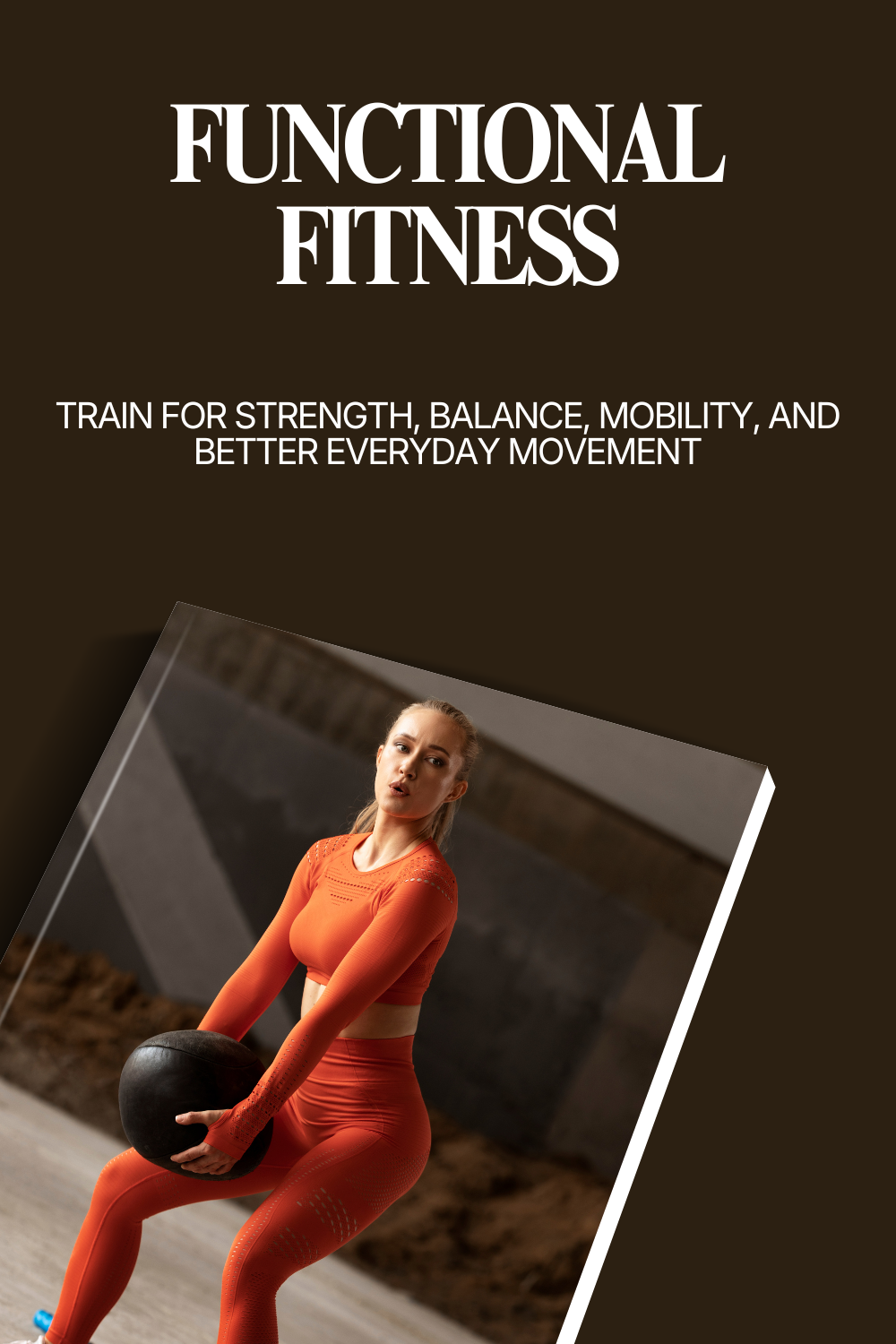
Functional Fitness
Original price was: $52.90.$47.89Current price is: $47.89.
Train for Strength, Balance, Mobility, and Better Everyday Movement
Functional Fitness is a practical guide to building a body that works better in everyday life—not just in workouts. Instead of focusing only on appearance or isolated muscle training, this book explores how exercise can improve movement quality, strength, balance, endurance, and range of motion in a more usable, real-world way.
The guide begins by explaining what functional fitness is and how it fits into a healthier lifestyle. It helps readers understand whether this style of training matches their needs and how it differs from other common exercise approaches such as bodybuilding, heavy weight training, and group fitness. A strong focus is placed on the everyday benefits of functional movement, including easier mobility, better physical support, and a stronger connection between training and daily activities.
As the book progresses, it breaks functional fitness into key components—power, strength, range of motion, and balance/endurance—showing how each one affects movement in real life and how to train it more intentionally. It also covers common mistakes people make with functional training and how to create a routine that feels practical, balanced, and easier to sustain over time.
Inside this book, you will learn how to:
- Understand what functional fitness is and how it supports daily life
- Decide whether functional training fits your goals and lifestyle
- Recognize the benefits of functional fitness compared with other exercise styles
- Avoid common mistakes that can limit progress or consistency
- Train key components such as power, strength, and range of motion
- Improve balance and endurance with more purposeful movement
- Build a more practical workout routine that supports everyday function
- Use fitness as a tool for feeling stronger, moving better, and living more actively
Functional Fitness is designed for readers who want exercise to feel more useful and sustainable—offering a clear framework for building strength and movement quality that carries over into everyday life.
Related products